Cutie Bunny Retro Embroidery Review
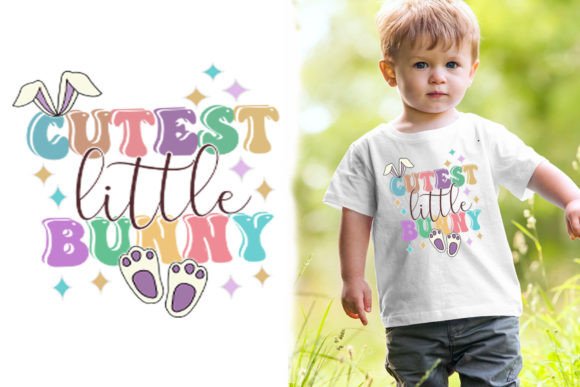
As a designer who spends half the day staring at stitch charts and the other half trying to convince clients that embroidery is worth the premium price tag, I look at every new T-Shirt Designs submission with a healthy dose of skepticism. We have all seen the endless stream of generic clip-art disguised as "premium" files. But when I pulled up the Cutest Little Bunny Retro T-shirt Design, something caught my eye. It wasn’t just the nostalgia factor—it was the potential for a cohesive brand story in a market saturated with pastel florals and standard cartoon characters.
I wanted to put this design through its paces, not just as a digital asset, but as a tangible product. How does it translate from screen to fabric? Does it hold up on a busy craft fair table? Is it viable for an Etsy seller looking to boost their holiday sales? Here is my practical evaluation of using this graphic for real-world projects.
First Impressions: Mood and Visual Personality
The immediate appeal of this design lies in its retro aesthetic. In the world of handmade goods, "groovy" and "vintage-inspired" are powerful keywords, but they are also easy to mess up. This design strikes a balance between playful and polished. The bunny motif is instantly recognizable, tapping into the universal affection for Easter and spring themes, but the retro styling elevates it above typical children’s wear.
From a layout perspective, the composition feels balanced. It doesn’t scream for attention; rather, it invites a closer look. For a small shop product, this subtlety is a huge advantage. It suggests quality over quantity. When you are designing for custom apparel, you want graphics that feel integrated into the garment, not slapped on top of it. This design has that organic feel. It works beautifully as a chest pocket placement or a centered back print, offering versatility that many single-focus designs lack.
Real-World Application: Where This Design Shines
I visualized this design across several different mediums to see where it would truly perform best. The first scenario that came to mind was a line of boutique baby items. There is a massive market for baby embroidery that leans away from the overly sweet and toward the stylishly quirky. A onesie or a minky blanket featuring this retro bunny could easily become a bestseller for a maker focusing on modern nursery decor.
Another strong use case is for holiday embroidery gifts. Easter is a gifting season, but it is often overshadowed by Christmas and Valentine’s Day. By choosing a design that feels timeless rather than strictly seasonal, you can extend the life of your inventory. Imagine a tote bag design made from sturdy canvas, embroidered with this file, sold as a spring market essential. The contrast of the retro colors against natural fabrics creates a high-end look that justifies a higher price point.
I also considered its application on sweatshirt embroidery. As seasons transition, hoodies remain popular. A smaller, well-placed version of this bunny on a heather grey or mustard yellow hoodie could serve as a perfect transitional piece. It bridges the gap between winter warmth and spring freshness. For the craft business owner, this means one design file can potentially drive sales across multiple seasons if marketed correctly.
Technical Performance and Stitch Clarity
When evaluating any machine embroidery design, clarity is king. The difference between a professional finish and a amateurish one often comes down to how well the design handles detail. While specific stitch counts depend on the digitization quality, the visual weight of this design suggests it relies heavily on clean lines and bold shapes.
This makes it forgiving on less-than-perfect fabrics. If you are working with textured materials like waffle knit or heavy denim, intricate details often get lost. However, the retro style of this bunny likely uses thicker strokes and simplified curves, which tend to render better on challenging surfaces. That said, you must always be mindful of stitch density. If the fill stitches are too dense, the fabric might pucker, especially on lighter materials. Conversely, if the satin stitches are too narrow, they may not cover the base fabric adequately, leading to a threadbare appearance.
I strongly recommend testing this design on scrap fabric before committing to your final product. Pay close attention to the corners of any lettering or curved elements. These are common trouble spots where thread tension issues can cause puckering or breakage. Also, check the hoop size requirements. If the design is large, ensure your machine can handle the dimensions without needing excessive re-hooping, which can misalign the stitching.
Color and Contrast Considerations
The success of this embroidery project will largely depend on your thread colors. Retro palettes often feature muted tones, mustard yellows, olive greens, or burnt oranges. On a white shirt, these colors will pop vibrantly. However, on darker fabrics, you need to ensure there is enough contrast. A light yellow on a black background might disappear under certain lighting conditions.
It is also wise to view your mockups in black and white. This helps you assess the value structure of the design. If the design looks flat or muddy in grayscale, it will likely look messy in color. Ensure that the highlights and shadows within the bunny illustration have distinct tonal differences so the image reads clearly from a distance.
Where to Use Caution
While this design is versatile, it is not without its limitations. Avoid placing this on highly stretchy fabrics like thin spandex blends unless you are using a very stable stabilizer. Stretch can distort the geometric integrity of retro designs, making the bunny look warped or distorted.
Similarly, be cautious with tiny lettering. If the design includes small text, ensure it is large enough to be legible after stitching. Tiny letters often blur together, reducing the professionalism of the finished product. If you are aiming for a personalized gift, make sure any custom names added to the design are compatible with the overall aesthetic and size constraints.
For products that require frequent washing, such as kitchen towels or aprons, verify the durability of the threads used. Synthetic threads generally hold up better to heat and agitation than cottons, but the underlying stability of the embroidery matters most. Proper stabilization is non-negotiable here.
Final Verdict for Makers and Sellers
The Cutest Little Bunny Retro T-shirt Design is more than just a cute graphic; it is a strategic asset for anyone in the handmade space. It offers the emotional hook of nostalgia combined with the visual appeal of modern retro trends. For the creative entrepreneur, it provides a foundation for creating a cohesive collection of design assets.
Whether you are producing limited runs for a boutique or listing digital downloads for other makers, this design has the potential to drive engagement. It feels personal, thoughtful, and professionally executed. Just remember to do your due diligence: test your samples, check your licenses, and choose your fabrics wisely. When done right, this design can transform a simple commodity into a cherished keepsake.
For those wondering about the specifics, always refer to the original source for exact file formats, recommended stabilizer types, and licensing terms for commercial embroidery. But based on visual inspection alone, this is a strong contender for your next spring collection.