Feeling Kinda Idgaf Sleeve SVG Review
When I scroll through design marketplaces looking for that one graphic to anchor a new collection, I am rarely impressed by generic text-based art. However, the Feeling Kinda Idgaf Sleeve SVG caught my eye not because of its attitude, but because of its potential utility in a practical embroidery workflow. As a designer who frequently bridges the gap between digital files and physical stitch-outs, I approach every new asset with a healthy dose of skepticism. Does it translate well to thread? Will it hold up after twenty washes? Is it too busy for a small hoop?
This review is based on evaluating the Feeling Kinda Idgaf Sleeve SVG as if I were preparing it for immediate production in my studio. We are looking at this from the perspective of an embroidery designer, small business owner, or crafter who needs to know if this file will add value to their shop or just clutter their hard drive.
First Impressions and Visual Personality
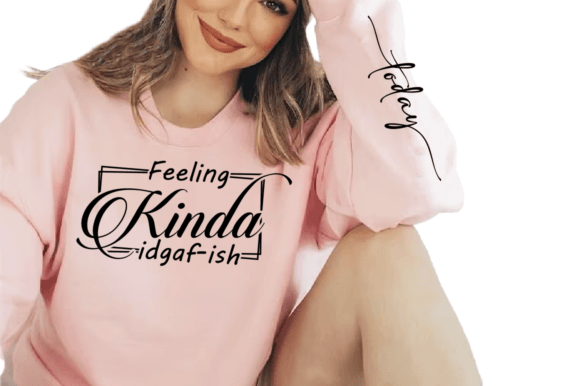
The mood of this design is immediately clear: casual, unbothered, and slightly rebellious. In the world of apparel decoration, "attitude" sells. The layout suggests a sleeve placement, which implies a specific kind of garment focus—likely a long-sleeve tee, a sweatshirt, or perhaps a hoodie. The visual personality feels right at home in the current market trend of relaxed, streetwear-inspired fashion. It does not scream for attention with complex illustrations; instead, it relies on bold typography and clean lines to make its statement.
From a purely aesthetic standpoint, the design creates a strong focal point. For an Etsy seller or someone running a craft business, this type of graphic is highly versatile. It fits seamlessly into the "gift for her" or "funny quote" categories that consistently perform well. The simplicity of the message allows the embroidery technique itself to shine. Whether you are using a dense fill stitch for a bold look or a lighter running stitch for a vintage feel, the design’s structure supports both approaches without losing legibility.
Real-World Application: From Screen to Stitch
Let’s imagine a real-life scenario. You have a client coming in who wants a personalized gift for a friend who loves sarcasm and comfort. They want something they can wear while gardening or grabbing coffee. You pull up the Feeling Kinda Idgaf Sleeve SVG. Your first thought is: where does this go?
The design naturally begs for placement on the upper arm of a sweatshirt or the side of a tote bag. I tested this mentally against several product types:
- Sweatshirts and Hoodies: This is the sweet spot. The heavier fabric provides enough stability for the stitches, and the sleeve placement highlights the graphic perfectly. It transforms a basic blank into a statement piece.
- Tote Bags: A canvas tote is a staple for any handmade product line. Placing this design vertically along the side seam or horizontally across the front adds a touch of humor to a utilitarian item. It appeals to the college student demographic and the busy mom alike.
- Baby Items: While the phrase might be too edgy for some nursery decor, the style works beautifully for older children’s clothing or even as a humorous gift for parents. The clean lines ensure it remains cute rather than chaotic.
- Applique Projects: If you are skilled with applique, this design could be cut from felt or fleece and stitched down. The solid shapes would create a textured, dimensional look that stands out against denim or jersey knit.
The versatility extends beyond physical goods. As a digital product seller, you can use this SVG to create printable mockups. Showcasing the design on a high-quality image of a model wearing a oversized tee helps buyers visualize the final result. This increases conversion rates because customers can see how the embroidery project looks in a lifestyle context.
Technical Considerations for Embroidery Designers
Not all designs are created equal when it comes to stitching. Here is where we get practical. When digitizing or preparing the Feeling Kinda Idgaf Sleeve SVG for your machine, there are several factors to monitor.
Stitch Density and Stability: Text-heavy designs can sometimes suffer from puckering if the underlay is not robust. Ensure that your digitizer has applied sufficient tie-ins and trim stitches. If the design features thin lines, check that they are not so fine that the needle breaks them during high-speed stitching. A good rule of thumb is to inspect the design in a black-and-white mockup to see if the contrast holds up. If the letters blend into the background in grayscale, they might disappear in thread.
Hoop Size Constraints: Before committing to a large production run, test the design in your smallest intended hoop size. If the design is meant for a full sleeve, it may require a larger hoop or multiple repositioning steps (multi-hooping). This increases labor time significantly. If you are selling these as small shop products, consider whether the extra labor cost is worth the margin. Sometimes, scaling the design down slightly to fit a standard 5x7 or 6x10 hoop can save you hours of work.
Fabric Selection: The choice of fabric drastically affects the outcome. Stretchy knits, like those used for t-shirts, require a cut-away stabilizer to prevent distortion. Woven fabrics, like cotton twill for caps or aprons, are more forgiving. Avoid using this design on highly textured fabrics like chunky chenille or thick fleece unless you have a very stable backing system. The threads need a flat surface to lie properly for the best visual appeal.
Where to Use Carefully
While this design is robust, it is not universal. There are specific scenarios where you should proceed with caution:
- Small Hoop Sizes: If the text becomes too small, details may be lost. Fine serifs or sharp corners might round off or break.
- Dark Fabric on Light Thread: High contrast is key. If you are stitching light gray thread on black fabric, ensure the density is high enough to cover the base material completely.
- Curved Surfaces: Applying this to a curved surface like a baseball cap requires careful tension adjustment. The design may distort if the cap is not properly mounted in a cap frame.
- Frequent Washing: For items that will undergo heavy industrial laundering, such as restaurant uniforms, ensure the design is reinforced. Loose ends or sparse underlay can lead to premature unraveling.
Impact on Brand and Customer Trust
Using a well-executed design like the Feeling Kinda Idgaf Sleeve SVG signals professionalism. Customers can tell the difference between a sloppy stitch-out and a polished, finished product. When you present a clean, well-placed embroidery on a custom apparel item, you build trust. It shows that you care about the details.
Furthermore, this design enhances the "giftability" of your products. People often struggle to find gifts that are both personal and funny. This SVG hits that niche perfectly. It allows the buyer to express their personality through the wearer. For commercial embroidery businesses, this means higher customer satisfaction and potentially more repeat business. The design is recognizable, memorable, and fits a wide range of demographics.
Final Verdict
The Feeling Kinda Idgaf Sleeve SVG is a solid addition to any design assets library. It offers a great balance of attitude and simplicity, making it suitable for everything from personalized gifts to boutique branding. Its strength lies in its adaptability—it works well on soft goods, accessories, and even wall decor if framed correctly.
However, remember that the file is only half the battle. Success depends on your execution. Always test on scrap fabric first. Check your thread colors for contrast. Confirm your hoop size limitations. And most importantly, verify the licensing terms before selling finished items. If you treat this design with the respect it deserves, it will serve you well in your embroidery project portfolio.
For the maker who values efficiency and style, this is a win. It is a Graphics category standout that delivers on its promise of being a versatile, engaging, and commercially viable design element. Just make sure your machine is threaded correctly, your stabilizer is secure, and you are ready to stitch.