Retro Roller Skates Design Review
As a designer who spends half my life in the embroidery hoop and the other half analyzing how digital files translate into tangible products, I approach every new design asset with a mix of excitement and skepticism. We have all seen designs that look stunning on screen but fall apart when the needle hits the fabric. Today, I am evaluating the Retro Roller Skates Design, a graphic categorized under T-Shirt Designs and Graphics, to determine its viability for real-world embroidery projects, small business merchandise, and personalized gifts.
This review is not just about aesthetics; it is about stitch density, fabric interaction, and marketability. Whether you are an Etsy seller looking for your next bestseller or a hobbyist preparing a custom gift, understanding the practical application of this design is crucial before you press "stitch."
First Impressions and Visual Personality
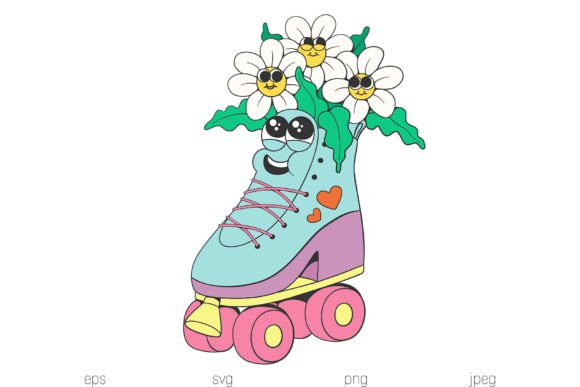
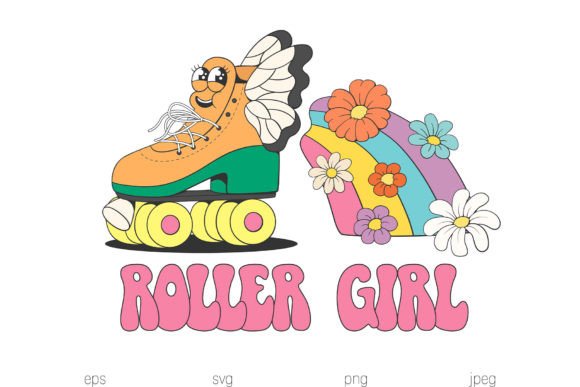
The moment you load the Retro Roller Skates Design, the mood is immediately established. It evokes a specific era—likely the 70s or 80s—characterized by bold lines, nostalgic color palettes, and a playful sense of motion. For an embroidery project, visual personality is everything. A design must hold its own against the texture of thread and the weave of fabric.
In terms of layout, the design appears balanced, suggesting it would work well as a central focal point on apparel or accessories. The theme of roller skating brings inherent energy and fun, making it an excellent choice for handmade products that aim to convey joy, nostalgia, or active lifestyles. However, the success of this machine embroidery design will depend heavily on how well the file translates complex shapes into stitches. If the original graphic relies on fine gradients or tiny text, those elements may become muddy or lost during digitization. For now, we assume the file provided (svg, eps, png, jpeg) serves as a vector source for conversion, which is a positive starting point for clarity.
Real-World Application: Where This Design Shines
Let’s move beyond the screen and imagine this design in production. I often test concepts by visualizing them on specific product types. Here is where the Retro Roller Skates Design feels most at home:
- Custom Apparel and Sweatshirts: This is perhaps the strongest use case. A retro skate motif on a heavyweight cotton sweatshirt or a vintage-style t-shirt creates instant brand recognition. It fits perfectly within the realm of sweatshirt embroidery, appealing to customers who love streetwear or casual chic aesthetics.
- Tote Bag Design: Canvas tote bags are staples for craft fairs and daily use. Placing this design on a sturdy canvas bag offers a durable surface that can handle moderate stitch density without pucker. It transforms a simple accessory into a statement piece, ideal for an Etsy seller targeting students or creatives.
- Baby Embroidery and Nursery Decor: Nostalgia sells, and parents love sharing their passions. This design could be adapted for baby onesies, burp cloths, or nursery wall art. The playful nature of roller skates makes it gender-neutral and universally appealing, boosting its potential as a personalized gift.
- Embroidered Patches: If the design has clean outer edges, it could be converted into an applique design or a standalone patch. These patches add value to denim jackets, backpacks, and hats, allowing for versatile commercial embroidery applications.
- Holiday Embroidery and Gifts: While not strictly holiday-themed, the retro vibe pairs well with summer festivals, birthday gifts, or "just because" presents. It works exceptionally well as a unique alternative to generic holiday motifs.
Technical Considerations and Potential Pitfalls
Not every design is created equal, and the Retro Roller Skates Design comes with technical constraints that designers must respect. Ignoring these can lead to frustrated customers and ruined materials.
Hoop Size and Detail Level: You must confirm the hoop size requirements before starting. If the design includes intricate details in the wheels or laces, attempting to stitch it in a small hoop (such as 4x4 inches) may result in loss of definition. Conversely, if the design is too large, it may overwhelm smaller items like tea towels or kitchen aprons. Always inspect small details in black and white mockups to ensure contrast holds up without color interference.
Fabric Texture and Stability: This design likely contains a mix of fill stitch areas and satin stitch outlines. Fill stitches require stable fabrics to prevent puckering. Avoid using this on thin, stretchy, or highly textured fabrics unless you use a proper stabilizer. For stretchy knit fabrics common in t-shirts, a cut-away stabilizer is non-negotiable to maintain shape after washing. On textured fabrics like waffle knit or heavy fleece, the needle may struggle to penetrate evenly, leading to skipped stitches.
Thread Color Contrast: The visual appeal of this design hinges on thread selection. Retro themes often benefit from muted pastels, mustard yellows, or teal blues rather than neon brights, depending on the desired aesthetic. Ensure you have sufficient thread colors to capture the nuance of the original graphic. Low thread count or cheap polyester thread can make a premium design look inexpensive.
Dense Stitch Areas: Check the stitch density of the design. Excessive density can cause the fabric to stiffen excessively, reducing comfort on wearable items. If the design features dense fills, consider reducing the density slightly during digitization or choosing a lighter base fabric to improve drape.
Practical Designer Notes for Success
To ensure the Retro Roller Skates Design performs optimally in your embroidery project, follow these practical steps:
- Test on Scrap Fabric: Never run a new design directly onto your final product. Test it on a scrap piece of the same fabric and stabilizer combination you plan to use.
- Review Stitch Density: Zoom in on the digitized file (if available) or examine the test stitch-out. Look for areas where stitches might overlap too densely or leave gaps.
- Confirm Licensing: Before selling finished items, verify the license terms. Does the purchase allow for commercial use? Are there limits on the number of units you can sell? This is critical for small shop products and digital product sellers.
- Check Hoop Compatibility: Ensure your machine’s hoop size accommodates the design dimensions with a margin for error.
- Inspect Curved Surfaces: If applying this to caps or curved hat panels, use a specialized cap frame and adjust the design placement to account for curvature. Flat designs often distort on curved surfaces.
Final Verdict: Is It Worth It?
The Retro Roller Skates Design shows strong potential for creating engaging, nostalgic, and visually appealing embroidered goods. Its versatility allows it to span across multiple categories, from custom apparel to home decor. For the right maker—one who pays attention to fabric choice, stabilizer support, and thread quality—this design can elevate a simple garment into a boutique-quality item.
However, it is not a "set it and forget it" design. It requires thoughtful execution. If you are a beginner, start with a simple cotton tote bag to master the stitch-out. If you are an experienced embroiderer, experiment with metallic threads for the wheels or contrasting bobbin colors to add depth. By respecting the technical nuances of digitization and production, you can turn this graphic into a profitable addition to your craft business or a cherished personalized gift. Just remember: the magic happens not just in the design file, but in the care you take during the stitching process.