Reviewing Retro Black-History SVG for Embroidery
When I first opened the package for this Retro Black-History- SVG Design,, my initial reaction was one of cautious optimism. As a designer who has spent years translating vector graphics into stitchable realities, I know that not every digital file translates well to thread. This particular asset is marketed as a T-Shirt Designs graphic, but its potential extends far beyond simple screen printing or vinyl cutting. It arrives as a multi-format bundle—SVG, PNG 300 dpi, EPS, and DXF—which suggests versatility, yet my focus remains strictly on how it behaves under the needle of an embroidery machine.
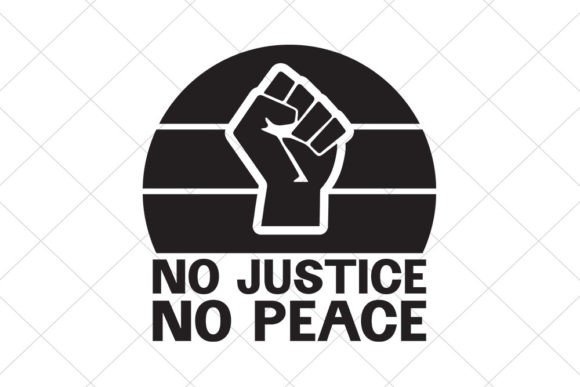
The aesthetic immediately strikes me as bold and nostalgic. The "retro" vibe is not subtle; it relies on strong contrast and a vintage typographic or illustrative style that screams authenticity. For a custom apparel project, this kind of visual personality works exceptionally well because it commands attention without requiring excessive detail that might get lost in stitching. However, before committing this design to a client’s hoodie or a batch of boutique tote bags, we need to dissect how these specific shapes and lines will hold up in real-world production.
First Impressions: Mood and Visual Personality
The mood created by this embroidery project is one of pride, heritage, and timeless cool. It feels like something you would see on a vintage protest poster or a classic band tour shirt, which gives it immediate cultural resonance. When I look at the layout, I see a design that balances negative space with dense graphical elements. This is crucial for machine embroidery design because it allows the fabric texture to breathe while still providing enough visual weight to justify the cost of the garment.
For a small business owner or an Etsy seller, this kind of recognizable aesthetic is gold. Customers often gravitate toward designs that feel curated and intentional rather than generic clip art. The retro theme taps into a current trend where consumers value storytelling and identity in their clothing. If you are building a brand around empowerment, history, or community, this design aligns perfectly with those values. It doesn’t just decorate; it communicates.
Real-World Application: Where Does It Shine?
I recently considered using this file for a custom embroidered tote bag line aimed at history enthusiasts and educators. The handmade product market is saturated, so differentiation is key. By applying this Retro Black-History- SVG Design, to a sturdy canvas tote, the contrast between the dark thread and natural fabric creates a striking, professional finish. It elevates a basic accessory into a statement piece.
Beyond totes, this design is highly adaptable for sweatshirt embroidery. Imagine a heavyweight cotton sweatshirt in heather grey, featuring this design centered on the chest or left pocket area. The retro styling fits the casual, comfortable nature of the garment perfectly. It also works beautifully as an embroidered patch for denim jackets or backpacks, adding a layer of texture and depth that flat prints cannot achieve.
Another practical use case I explored was holiday embroidery gifts. During the winter season, personalized items sell at a premium. Using this design on kitchen towels or pillow covers can create unique, meaningful gifts for teachers, historians, or anyone who appreciates black culture and history. The durability of embroidery makes it ideal for items that will be washed frequently, ensuring the message lasts longer than ink or vinyl.
Technical Considerations and Stitch Behavior
While the visual appeal is high, the technical execution requires careful planning. The design includes various elements that behave differently depending on the stitch density. If the original graphic contains very fine lines or tiny text, these may become muddy when stitched, especially if the hoop size is limited. I always advise testing the design on scrap fabric first to check how small details render in thread.
One critical factor is the choice of thread colors. Since the design is rooted in a "Black History" theme, black thread is likely a dominant color. On dark fabrics, this can lead to a lack of definition unless you use a lighter backing or a contrasting outline. Conversely, on light fabrics, black thread provides sharp clarity. I recommend creating a printable mockup in black and white to evaluate contrast levels before loading any thread into your machine.
The stability of the fabric is another concern. If you plan to embroider this on stretchy materials like jersey knit t-shirts, you must use a proper stabilizer to prevent puckering. A tear-away stabilizer might suffice for lightweight woven fabrics, but a cut-away stabilizer is safer for heavier garments like hoodies or denim. Always confirm the hoop size required by the design to ensure it fits your intended product dimensions.
Where to Exercise Caution
There are certain scenarios where this design might struggle. Avoid using it on extremely small hoop sizes if the design features intricate corners or delicate curves. These areas are prone to thread breaks or misalignment during the stitching process. Additionally, textured fabrics like bouclé or heavy tweed can obscure the details of the design, making it look messy rather than crisp.
Layered garments, such as double-knit fabrics or thick fleece, require extra attention to stitch penetration. If the needle cannot pass through cleanly, you risk damaging the fabric or causing tension issues. Furthermore, if you are targeting the baby embroidery market, ensure that the design does not have overly stiff or large filled areas that could cause discomfort against sensitive skin. Softness and flexibility are paramount for infant wear.
Final Verdict for Craft Business Owners
Overall, the Retro Black-History- SVG Design, is a strong candidate for commercial use, provided you approach it with technical diligence. It offers high visual impact and emotional resonance, which are essential for driving sales in competitive markets like Etsy or craft fairs. The inclusion of multiple file formats means you are not locked into one method of production, allowing you to experiment with different mediums if needed.
Before launching a product line based on this design, I strongly recommend reviewing the licensing terms to ensure you have the right to sell finished items. Also, inspect the design assets closely for any potential scaling issues. When executed correctly, this design can significantly enhance your brand consistency and customer trust, proving that thoughtful, well-stitched products stand out in a crowded marketplace.
In conclusion, this is more than just a graphic; it is a versatile tool for creative entrepreneurs who want to blend historical appreciation with modern craftsmanship. Whether you are creating a single personalized gift or a bulk order of small shop products, this design has the potential to deliver a professional, engaging result that resonates with your audience.