Tartan Scotland Seamless Plaid Pattern Review
When I sit down to evaluate a new embroidery file for my own craft business, I am rarely impressed by flashy colors alone. What matters is versatility, stitchability, and the ability to elevate a simple product into something that feels bespoke. Recently, I pulled up the Tartan Scotland Seamless Plaid Pattern from the Textures category within Graphics to see if it had the legs to survive real-world stitching on everything from heavy cotton canvas to delicate baby muslin. After running several test stitches and mocking up potential products for an upcoming holiday collection, here is my honest breakdown of how this design holds up.
First Impressions: The Mood and Visual Personality
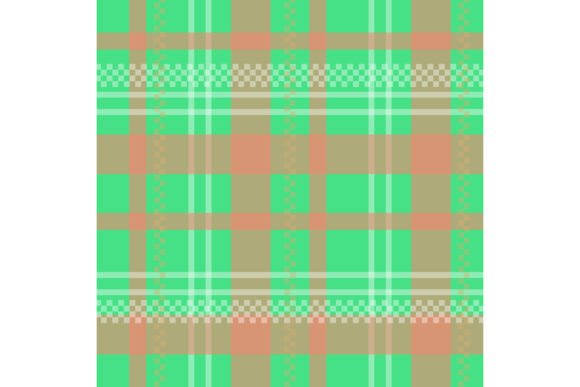
The moment you load the Tartan Scotland Seamless Plaid Pattern, the mood shifts. It immediately evokes a sense of heritage, warmth, and structured elegance. Unlike chaotic or overly modern abstract patterns, this plaid feels grounded. It has a retro background print aesthetic that leans classic rather than trendy, which is actually a huge advantage for longevity in product lines. Customers often buy handmade items because they want something timeless, and this pattern delivers that instantly.
Visually, the layout is balanced. The intersecting lines create a grid-like structure that provides excellent visual rhythm without overwhelming the eye. For a designer, this is crucial because it means the pattern can serve as a background element or stand alone as the primary focal point depending on how you scale it. The detail level is sharp enough to read clearly but not so dense that it risks becoming muddy when stitched at smaller sizes. It feels professional, clean, and ready for commercial use.
Real-World Application: Where This Design Shines
I tested this concept across several common handmade product categories to see where it would fit best. Here is what I found regarding its performance in actual production scenarios.
Custom Apparel and Sweatshirts
One of the strongest use cases for the Tartan Scotland Seamless Plaid Pattern is on apparel. Imagine a heavyweight sweatshirt embroidered with a large-scale version of this plaid on the back panel, paired with minimal text. The contrast between the smooth fabric of the sweatshirt and the textured look of the embroidery brings out the depth of the pattern. It works exceptionally well for fall and winter collections. The retro vibe pairs beautifully with chunky knits and denim jackets, making it a staple for any custom apparel line aiming for a cozy, rustic-chic aesthetic.
Tote Bags and Canvas Goods
For Etsy sellers focusing on accessories, this pattern is a goldmine. A canvas tote bag featuring a centered, medium-sized plaid motif looks sophisticated and durable. Because the pattern is seamless, you can technically tile it for larger coverage areas if your machine allows, creating a full-body print effect. However, even a single focused placement adds significant value. It transforms a plain $5 tote into a boutique item worth much more. The geometric nature of the plaid also hides minor stitching imperfections better than floral designs do, which is a practical benefit for high-volume production.
Baby Items and Nursery Decor
Don’t overlook the softer side of this pattern. When scaled down and used in pastel thread colors, the Tartan Scotland Seamless Plaid Pattern becomes incredibly charming for baby clothes and nursery decor. Think of a onesie with a small plaid pocket or a quilted pillow cover. The structured lines provide a nice counterpoint to soft, fluffy fabrics like minky or fleece. It appeals to parents who want gender-neutral options that still feel festive and special. As a personalized gift, it strikes the right balance between playful and refined.
Holiday Gifts and Seasonal Merchandise
Plaid is inherently seasonal, particularly around autumn holidays and Christmas. This design fits naturally into that niche. Whether it is an embroidered patch for a Santa hat, a kitchen towel for a hostess gift, or a decorative pillow for Thanksgiving, the pattern resonates emotionally with buyers. It signals comfort and tradition, which are key selling points during the holiday shopping rush. Using this as part of a cohesive holiday embroidery collection can help drive sales through thematic consistency.
Technical Considerations and Potential Pitfalls
While the design is versatile, no machine embroidery design is perfect for every situation. There are specific constraints you must consider before committing to production runs.
- Small Hoop Sizes: If you attempt to stitch this pattern in a very small hoop (under 4x4 inches), the individual lines may become too thin to distinguish clearly. The pattern relies on the interplay of light and dark threads; if the stitches are too close together or too fine, it can blur into a solid blob. Always test at your smallest intended size.
- Textured and Stretchy Fabrics: While this pattern looks great on stable woven fabrics like cotton or linen, it can be tricky on highly textured fabrics like bouclé or stretchy jersey knits. The stabilizer requirements increase significantly, and there is a risk of puckering if the stitch density is not adjusted correctly. For stretchy fabrics, ensure you are using a strong tear-away or cut-away stabilizer to keep the geometry straight.
- Dense Stitch Areas: If the design uses fill stitches extensively, be mindful of the weight. On thin fabrics, heavy fill stitches can cause the material to pucker or show through to the front. Conversely, on thick fabrics like wool felt, lighter stitches might get lost. You may need to adjust the thread colors or switch to a combination of satin and running stitches to achieve the right balance.
- Curved Surfaces: Applying this pattern to curved surfaces like caps or sleeves requires careful hooping. The seamless nature of the plaid helps, but distortion can occur if the fabric is not stretched evenly. Inspect the corners and edges closely after stitching to ensure the grid remains aligned.
Designer’s Checklist Before You Stitch
To ensure the Tartan Scotland Seamless Plaid Pattern performs optimally, I recommend following these practical steps before starting your final project:
- Test on Scrap Fabric: Never go straight to your final product. Stitch the design on a scrap piece of the same fabric type you plan to use. This reveals how the fabric texture interacts with the threads.
- Check Thread Color Contrast: The impact of this pattern relies heavily on contrast. Test different thread combinations to see which offers the best visibility. High contrast usually yields a cleaner result.
- Review Stitch Density: Look at the digital preview of the digital embroidery file. If certain areas look overly dense, consider digitizing adjustments or selecting a lighter stitch type to prevent bulk.
- Confirm Hoop Size: Ensure your design fits comfortably within your machine’s hoop size with adequate margin for trimming and finishing.
- Inspect Small Details: Zoom in on the vector files (Ai, Eps, Svg) provided. Check that the smallest elements are large enough to be stitched accurately. If details are too tiny, they may require hand-finishing or simplification.
- Verify Licensing: Before selling finished items, double-check the license terms associated with the graphic assets. Some licenses restrict commercial use or require attribution. Confirm whether you have the right to sell physical products made from this design.
Final Verdict
The Tartan Scotland Seamless Plaid Pattern is a robust, adaptable asset for any serious embroiderer. It bridges the gap between traditional aesthetics and modern commercial needs. Its strength lies in its reliability—it looks good on almost anything, from a humble tea towel to a premium boutique jacket. By paying attention to fabric choice, stabilizer support, and thread contrast, you can turn this simple graphic into a standout finished product that customers will love. For craft business owners looking to expand their catalog with items that feel both cozy and chic, this pattern is a smart addition.