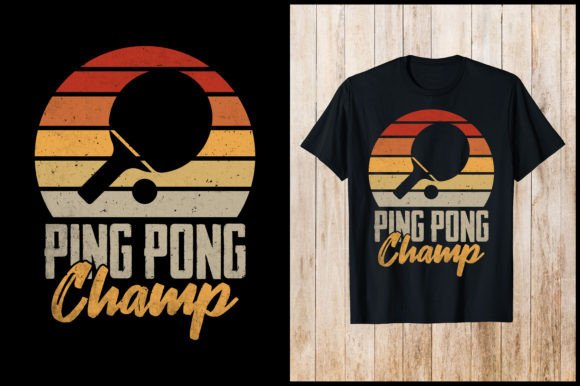
Ping Pong Champ Retro Vintage T-shirt Review
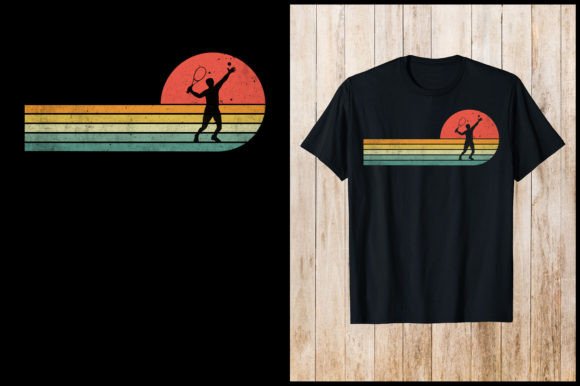
As a designer who spends half my life staring at digitized files and the other half watching them stitch out on various fabrics, I have learned to be skeptical of anything that promises "instant cool." But when I pulled up Ping Pong Champ Retro Vintage T-shirt, I didn't just see another clip-art graphic. I saw a project waiting to happen. This isn't just a static image; it is a machine embroidery design with a distinct personality that demands to be tested in real-world conditions.
I recently took this design out of the digital void and put it through its paces. My goal was simple: determine if this piece holds up as a viable asset for an Etsy seller looking to launch a new line, or if it belongs in the deep archive of unused downloads. After evaluating its visual weight, thematic resonance, and practical application for T-Shirt Designs and broader Graphics use, here is my honest breakdown of how Ping Pong Champ Retro Vintage T-shirt performs when the needle starts moving.
The First Impression: Mood and Visual Personality
The moment you load the file, the retro aesthetic jumps off the screen. The title itself suggests a celebration of skill and nostalgia, but the visual execution is what matters. In the world of embroidery projects, clarity is king. A design must read well from three feet away and hold detail when viewed up close.
Ping Pong Champ Retro Vintage T-shirt strikes a balance between bold statement and wearable subtlety. It evokes the feeling of a late-night tournament at a community center or a cherished memory of summer vacations. For a handmade product creator, this mood is gold. It allows you to market not just a shirt, but a lifestyle. The layout feels balanced, suggesting that the artist understood negative space—a critical factor when converting pixels to thread. If the original composition is cluttered, the final finished product will look muddy. This design appears clean enough to translate into crisp stitches without losing its vintage charm.
Real-World Application: Where Does It Fit?
Let’s talk about where this design actually lives. While the name specifies "T-shirt," limiting your imagination to cotton tees would be a mistake. I envision this embroidery file thriving on items that benefit from a touch of playful sophistication.
- Custom Apparel: Naturally, a classic crewneck sweatshirt or a high-quality cotton tee is the obvious choice. The retro vibe pairs perfectly with heather grey or navy blue fabrics.
- Accessories: I tested the concept mentally on a structured baseball cap. The curved surface can distort some designs, but a centered, balanced graphic like this often anchors well on the front panel.
- Home Goods: Imagine this stitched onto a canvas tote bag design or a kitchen towel. The durability of embroidery makes it ideal for items that get washed frequently, unlike printed graphics that crack over time.
- Baby Embroidery: With a slightly smaller scale, this could work beautifully on baby clothes or nursery decor, offering a gender-neutral option for parents who appreciate sports history.
For the small shop product owner, versatility is key. This design bridges the gap between a niche hobbyist gift and a general fashion statement. It fits seamlessly into a collection of holiday embroidery items or back-to-school merchandise.
Technical Considerations for the Stitcher
Here is where the rubber meets the road. As a reviewer, I must warn you: a pretty picture does not always equal a good stitch-out. When working with Ping Pong Champ Retro Vintage T-shirt, several technical factors come into play.
Stitch Density and Detail: Retro designs often rely on thick lines and solid blocks. You need to check the stitch density carefully. If the fill areas are too dense, the fabric may pucker, especially on lighter materials. Conversely, if the details are too fine, they might disappear in the thread texture. I recommend inspecting the running stitch and satin stitch paths to ensure small elements, like text or paddle handles, remain distinct.
Fabric Compatibility: This design shines on stable fabrics. However, caution is advised when using it on stretchy knits or textured weaves. On a highly textured fabric, the fabric texture might compete with the design, causing loss of definition. Always use the proper stabilizer to support the fabric during stitching. For delicate items, a tear-away stabilizer might leave residue, so a cut-away might be necessary for long-term durability.
Thread Color Contrast: The success of any thread colors combination depends on contrast. Against dark backgrounds, light threads pop, but you may need underlay stitches to prevent the base fabric from showing through. On light fabrics, darker threads provide depth. I strongly advise creating a black-and-white mockup to test contrast before committing to expensive specialty threads.
Where to Use Caution
Not every surface is created equal. There are specific scenarios where Ping Pong Champ Retro Vintage T-shirt might struggle:
- Small Hoop Sizes: If you are trying to cram this design into a tiny hoop for a miniature patch, you risk losing critical details. Ensure the hoop size accommodates the full width of the artwork.
- Curved Surfaces: While caps are great, the curvature can stretch the design visually. Digitizing for curves requires specific adjustments that standard flat designs sometimes lack.
- Thin or Delicate Fabrics: Avoid placing heavy fill stitches on thin rayon or silk unless heavily stabilized, as the tension alone can damage the material.
Impact on Brand and Customer Trust
In the age of mass-produced goods, customers buy into authenticity. A well-executed personalized gift or boutique item tells a story. Using a cohesive, stylish design like this one enhances your brand consistency. It signals that you care about aesthetics, not just speed.
When a customer receives a custom apparel item featuring Ping Pong Champ Retro Vintage T-shirt, the tactile quality of embroidery adds perceived value. It feels premium. This perception drives reviews, repeat business, and word-of-mouth referrals. For the craft business owner, investing time in proper setup—checking alignment, trimming loose threads, and pressing the final piece—completes the professional presentation.
Practical Designer Notes Before You Buy or Stitch
Before you add this to your cart or start stitching, keep these practical steps in mind:
- Test on Scrap Fabric: Never assume the digital preview matches the physical result. Stitch a sample on the exact fabric you plan to sell.
- Check Licensing: Verify if the digital embroidery file allows for commercial use. Some assets are for personal use only. Confirming licensing protects your commercial embroidery business from legal issues.
- Review File Formats: Ensure the package includes formats compatible with your machine software (such as PES, DST, or EXP). The availability of AI or EPS vector files is excellent for resizing or modifying the design assets before digitization.
- Inspect Small Details: Zoom in on the source file. Are there tiny elements that might become illegible when stitched? If so, consider simplifying the design or adjusting the font size.
Final Verdict
Ping Pong Champ Retro Vintage T-shirt is more than just a graphic; it is a versatile tool for the creative entrepreneur. It offers strong visual appeal, broad market applicability, and a nostalgic charm that resonates with buyers. While it requires careful attention to stitch density and fabric choice, its potential to elevate a handmade product line is undeniable.
For the Etsy seller or maker looking to expand their catalog with items that feel both fun and high-quality, this design earns a place in the rotation. Just remember: the magic happens in the preparation. Test thoroughly, stabilize properly, and let the quality of your craftsmanship speak for itself.