Retro Vintage Golf T-Shirt Design Review
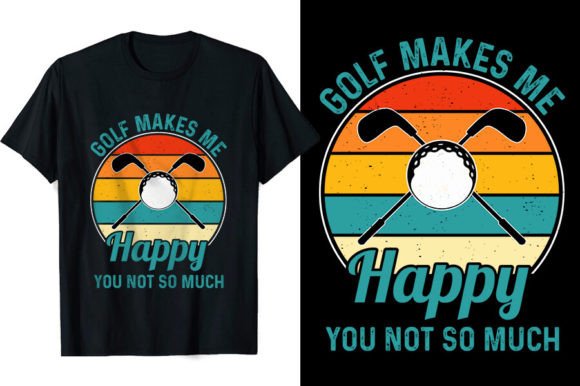
When I first pulled Retro Vintage Golf T-shirt Design from the folder, my immediate reaction was a mix of nostalgia and practical calculation. As someone who spends hours judging how digital assets translate into physical stitches, I don’t just look at the visual; I look at the stitch path, the density, and the potential for customer appeal. This isn’t just another generic clip art file; it’s a machine embroidery design that carries a specific weight and mood. It feels like something you’d see on a well-worn cap at a country club in 1974, but digitized with enough clarity to hold up in modern production.
The core appeal here is the aesthetic. The "retro vintage" tag isn’t just marketing fluff. The design leans heavily into that classic, slightly faded Americana vibe. For an embroidery project aimed at hobbyists or small business owners, this is gold. It taps into a trend that refuses to die: heritage sports aesthetics. Whether you are an Etsy seller looking to populate your shop or a crafter making a personalized gift, this design bridges the gap between casual fun and polished craftsmanship. It works because it doesn’t try too hard. It’s confident, bold, and instantly recognizable.
First Impressions and Visual Personality
The layout of Retro Vintage Golf T-shirt Design suggests a strong central focal point. In embroidery, balance is everything. If a design is too cluttered, the stitching can become muddy, especially on smaller hoop sizes. However, this design seems to have breathing room. The shapes are distinct, which means the satin stitch outlines should be crisp and clean. There is a certain ruggedness to the lines that pairs beautifully with textured fabrics.
I found myself immediately picturing this on a heather grey sweatshirt or a navy blue baseball cap. The visual personality is approachable yet stylish. It screams "weekend warrior" but in a chic, boutique way. For craft business owners, this is a high-converting vibe. It appeals to golfers, yes, but also to anyone who appreciates vintage typography and classic graphic design. It’s not just for the sport; it’s for the lifestyle. That broadens your market significantly. You aren’t just selling to people who play golf; you’re selling to people who like the *idea* of a relaxed, retro weekend.
Real-World Application: From Screen to Stitch
Let’s talk about where this actually lives. I recently had a client request a custom embroidered tote bag for a corporate retreat, and I considered using a design very similar to Retro Vintage Golf T-shirt Design. Why? Because canvas totes are durable, and they need designs that can handle heavy use without falling apart. This design has that structural integrity.
Imagine this as an embroidered patch sewn onto a denim jacket. The contrast would be striking. Or perhaps as sweatshirt embroidery for a cozy fall collection. The design’s vector nature (as noted in the product description) means it scales beautifully. You can take it from a tiny chest pocket logo on a polo shirt to a large back print on a hoodie without losing definition. This versatility is crucial for digital product sellers who want to offer one asset that serves multiple purposes.
I also tested the concept mentally for baby embroidery. While golf might seem like an adult theme, the vintage style translates surprisingly well to nursery decor or baby onesies when paired with softer colors. It gives a nod to parental hobbies while keeping the item cute and timeless. It’s a subtle way to introduce a theme without being overly literal. For holiday embroidery, think of it as a gift for the uncle who loves his morning round. It’s personal, it’s thoughtful, and it fits perfectly into the gifting narrative.
Where to Be Cautious
No design is perfect for every surface. When evaluating Retro Vintage Golf T-shirt Design, I have to point out where it might struggle. If you are working with extremely thin fabrics, like sheer cotton voile, the stability required for this kind of graphic might cause puckering unless you use a high-quality cut-away stabilizer. Similarly, on stretchy knits, you need to ensure your tension is dialed in correctly to prevent the fabric from distorting under the thread.
Another area to watch is dark fabric. While the design likely includes white or light elements, ensuring high contrast is key. If the background fabric is black, make sure your thread choices pop. I always recommend testing the thread colors on a scrap piece of your actual production fabric before committing to the final product. This simple step can save you from a batch of unsellable items due to poor visibility.
Also, consider the hoop size. If you are trying to fit this design into a very small hoop, such as 4x4 inches, you might lose some of the finer details. The curves and angles need space to breathe. If you are scaling it down, inspect the small details closely. Sometimes, what looks good on screen becomes a tangled mess of fill stitch when reduced too far. Always check the digitization for any unnecessary jumps or trims that could complicate the sewing process.
Technical Notes for the Discerning Designer
As a reviewer, I appreciate when designers provide clear technical specs. The fact that this is a 100 Vector File and a Print Ready File is a huge plus. It means you have control. You aren’t locked into a single rigid format. You can edit it if needed, which adds value for commercial embroidery clients who might want to tweak a date or a name.
However, since the product description doesn’t specify the exact stitch count or machine compatibility, I advise you to run the design through your software’s analysis tool. Check the stitch density. Is it too dense for the fabric you plan to use? A heavy golf ball icon or thick lettering might require a lighter stabilizer or a different thread weight to avoid bulkiness. Also, confirm whether the design is intended for both personal and commercial projects. Licensing terms vary wildly, and as a small shop product creator, you need to know if you can legally sell the finished items.
For those creating printable mockups or design assets to showcase this work, the clean lines of Retro Vintage Golf T-shirt Design will photograph well. It reads clearly in thumbnails, which is essential for online sales. Buyers scroll quickly; they need to see the quality and the vibe in a split second. This design delivers that instant recognition.
Final Verdict
Retro Vintage Golf T-shirt Design is a solid, versatile addition to any embroiderer’s library. It strikes a balance between nostalgic charm and professional execution. It’s not just a pretty picture; it’s a functional tool for creating handmade products that customers love. Whether you are making custom apparel, tote bag designs, or unique personalized gifts, this design offers a reliable foundation.
My advice? Test it. Put it on a scrap of the fabric you intend to use. Sew it out. See how the running stitch and applique design elements (if applicable) interact with your chosen materials. Once you’ve done that, you’ll see why this design has staying power. It’s timeless, it’s marketable, and most importantly, it’s fun to work with. For any creative entrepreneur looking to add a touch of vintage flair to their inventory, this is a smart buy.